Rate Limiting: Token Bucket vs Leaky Bucket on AWS WAF and API Gateway
Token buckets allow bursts; leaky buckets smooth traffic—WAF rate rules and API Gateway usage plans implement neither perfectly but both matter for layered defense.
Tagged

Token buckets allow bursts; leaky buckets smooth traffic—WAF rate rules and API Gateway usage plans implement neither perfectly but both matter for layered defense.

App Mesh is legacy path—new meshes should start with VPC Lattice for AWS-native east-west or Istio on EKS when you need full L7 policy. Traffic shifting without duplicating load balancers per service.

A full TLS handshake on every API call adds RTTs your p99 cannot afford. This guide walks TLS 1.3 1-RTT resumption, ACM cert rotation, and security policies on ALB and CloudFront.

Project Loom virtual threads help I/O-bound Java on ECS—not CPU-bound aggregation. Compare actor models, lock-free queues, and when Lambda concurrency beats pinning threads on EC2.

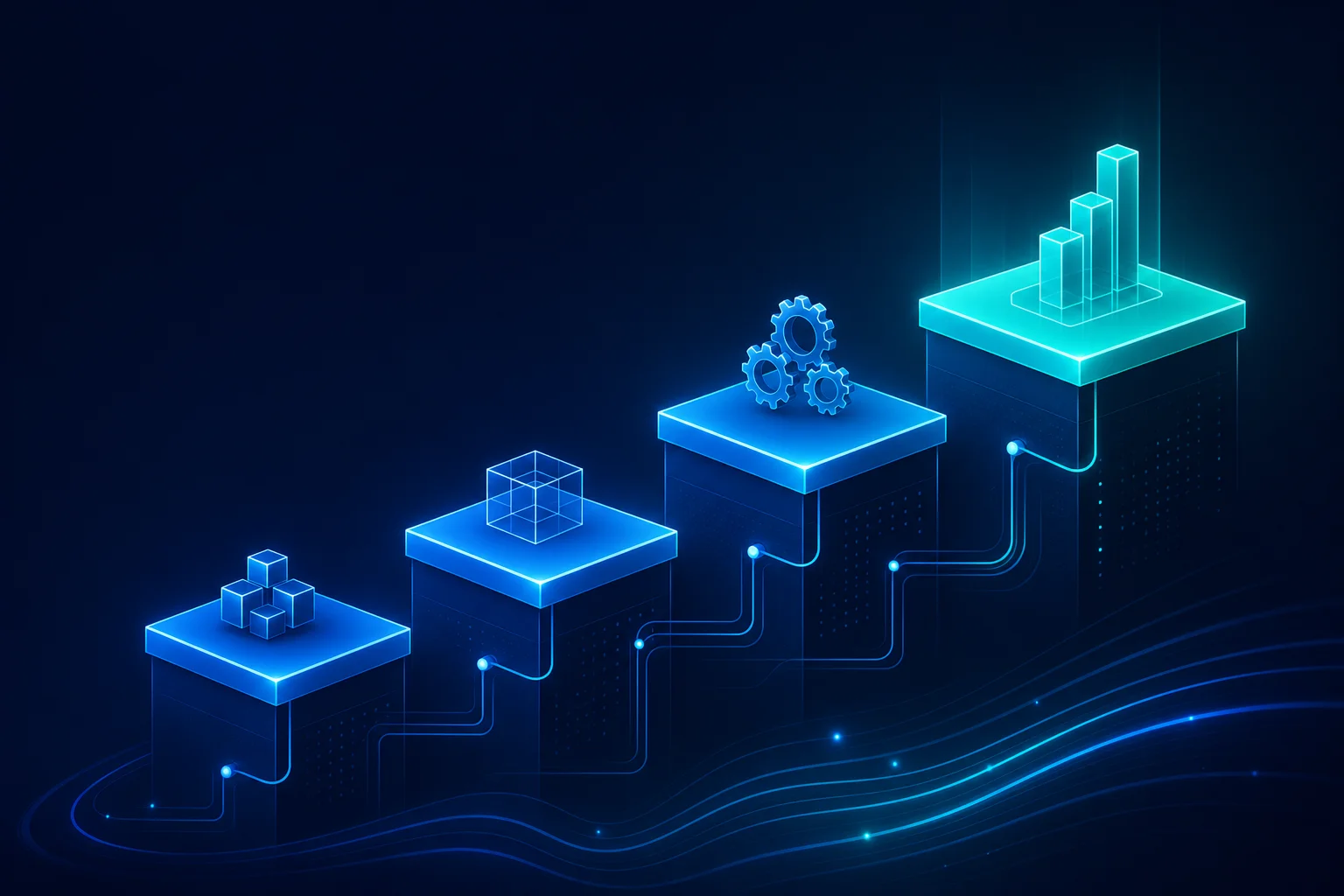
Generic DevOps maturity models score you on culture slides — this one maps L1–L4 to AWS gates you can verify: IaC in Git, GitOps or gated CD, ADOT on EKS, FIS with stop conditions, and cost-aware CI. A composite 85-engineer SaaS moved from L2 to L3 in one quarter by fixing the CI/GitOps boundary alone, cutting deploy-related incidents from ~6/month to 2.

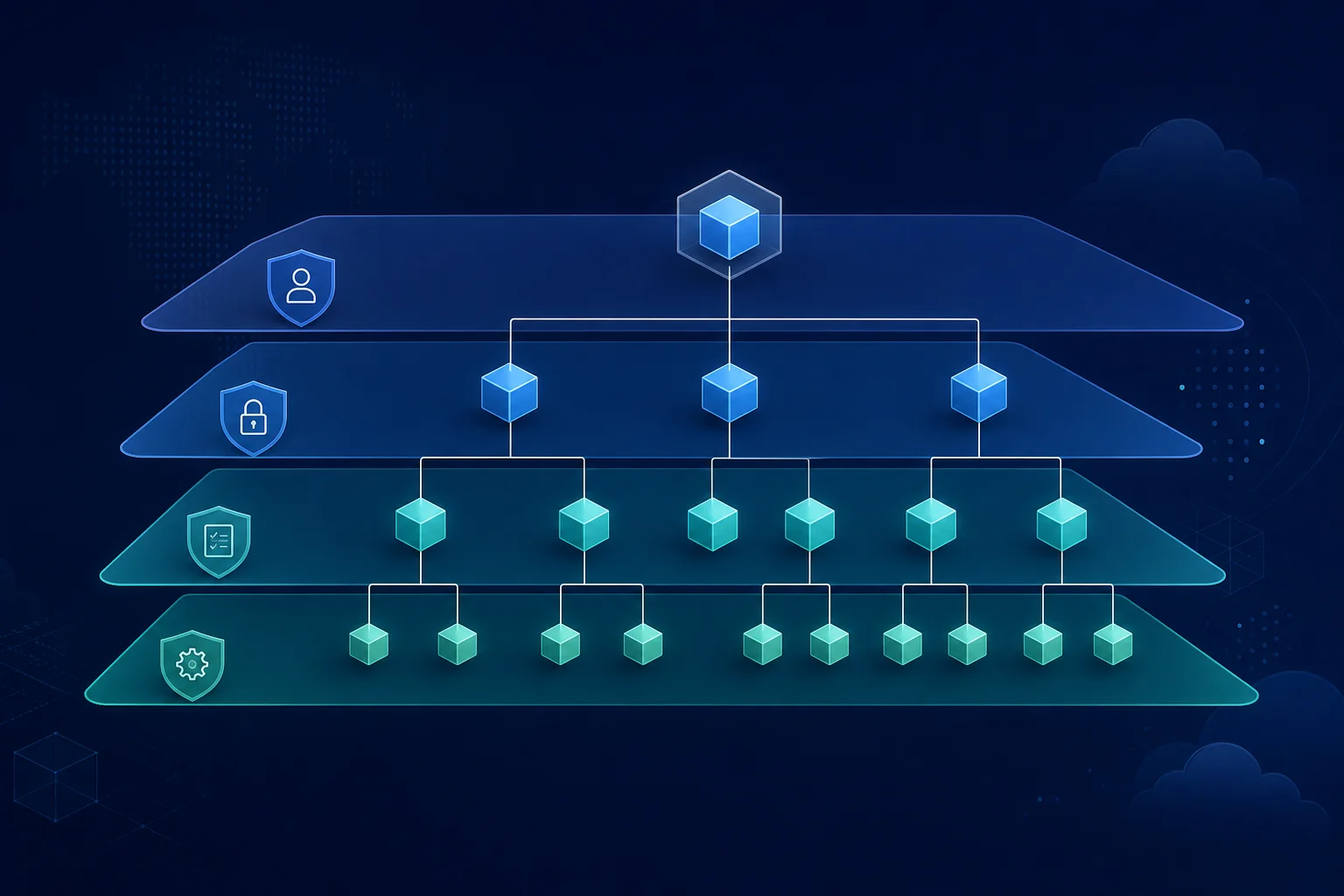
Control Tower gets you an org; it does not tell you how many OUs you need or which policy type owns VPC public access. Since re:Invent 2024 you have four layers — SCP, RCP, declarative, and tag policies — and RCP coverage grew through Feb 2026 (DynamoDB). A composite 60-account enterprise cut exception SCP attachments from 14 ad-hoc to 3 time-boxed RFCs in two quarters by moving accounts out of "temporary" prod OUs.

On June 10, 2026 AWS GA’d M9g/M9gd on Graviton5 — up to 25% more compute vs M8g, 35% faster for web and ML per AWS. Field guide: M9g vs M9gd, canary checklist, RI traps, and agentic-AI fit. Compute-optimized sibling C9g/C9gd GA June 30.

Running one AWS FIS experiment in a demo account is not chaos engineering — it is a screenshot. A program ties experiments to SLOs, scopes blast radius with tags, halts on CloudWatch alarm stop conditions, schedules via EventBridge, and closes the loop by re-testing the fix. FIS now ships AZ Power Interruption and cross-Region connectivity scenarios in its Scenario Library. Here is the L0→L3 maturity matrix, a GameDay runbook, and a stop-condition-wired experiment skeleton.

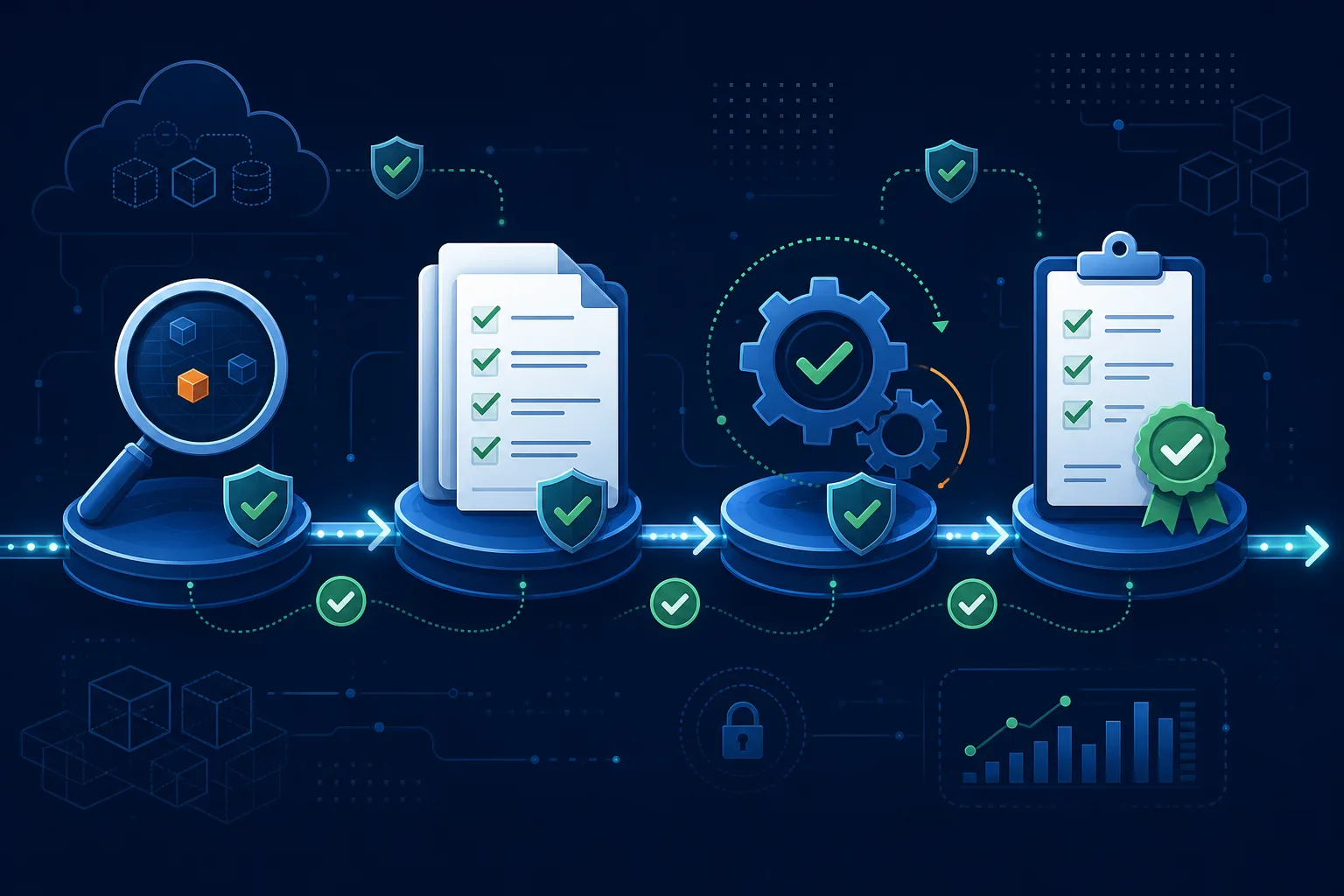
Security Hub detects control failures. It is not the compliance pipeline — and treating it as one is why teams still scramble for evidence at audit time. The four jobs are distinct: AWS Config detects drift, conformance packs deploy rules org-wide as immutable bundles, SSM Automation remediates the safe class, and evidence accrues via conformance-pack exports plus Security Hub control status (Audit Manager only if you onboarded before it closed to new customers on 30 April 2026). Here is the tool-per-job matrix, a conformance pack with auto-remediation, and the auto-remediation gotcha to design around.

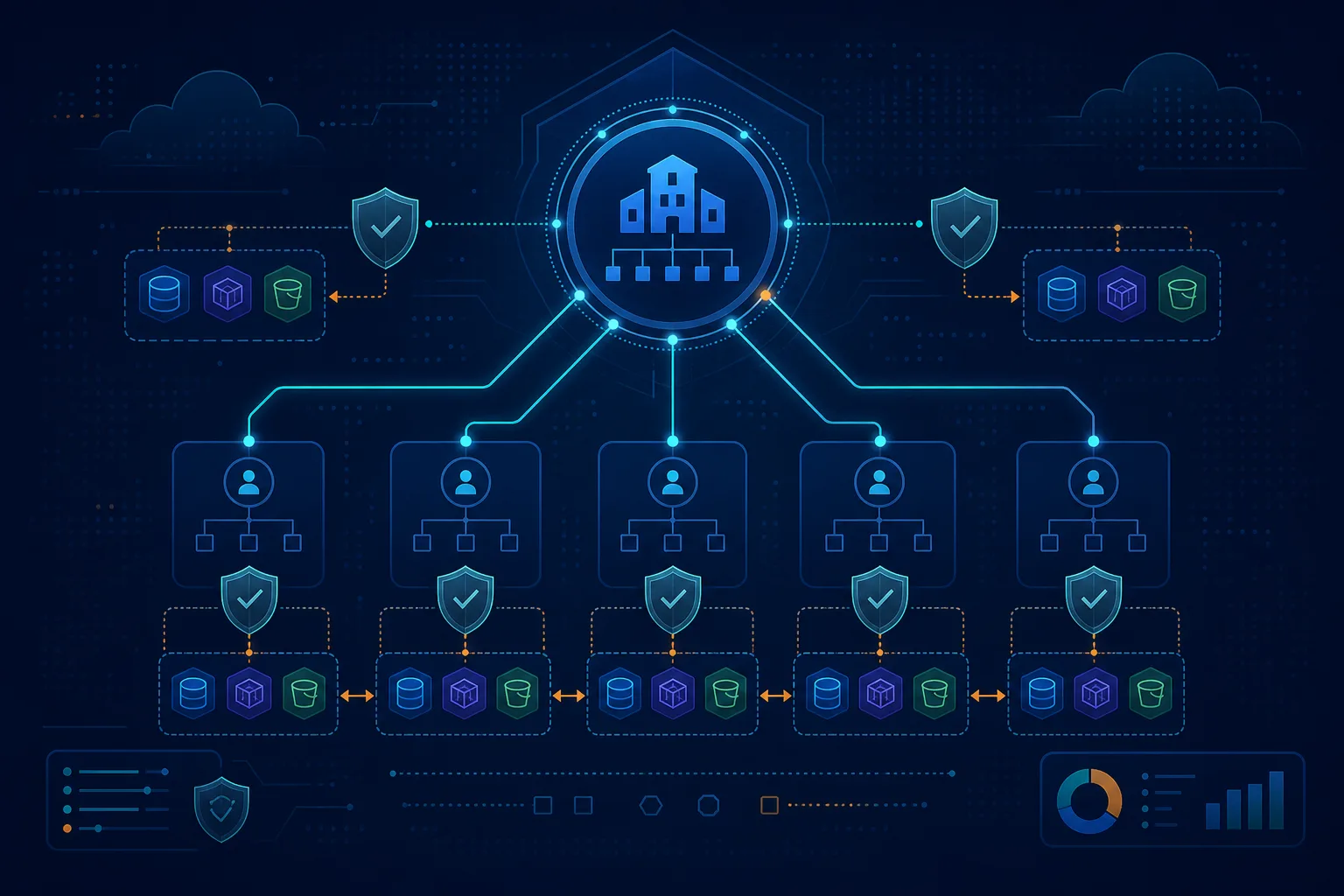
Your landing zone set up the org, OUs, and baseline SCPs — then most teams stall, duplicating resources per account and wiring brittle cross-account role chains. Since re:Invent 2024 the toolkit changed: RCPs bound what can be done TO a resource (even by external principals), declarative policies enforce EC2/VPC/EBS config state that survives new APIs, and one Route 53 Profile can push DNS to up to 5,000 VPCs. Here is the mechanism-by-job decision matrix and a rollout order that avoids lockouts.

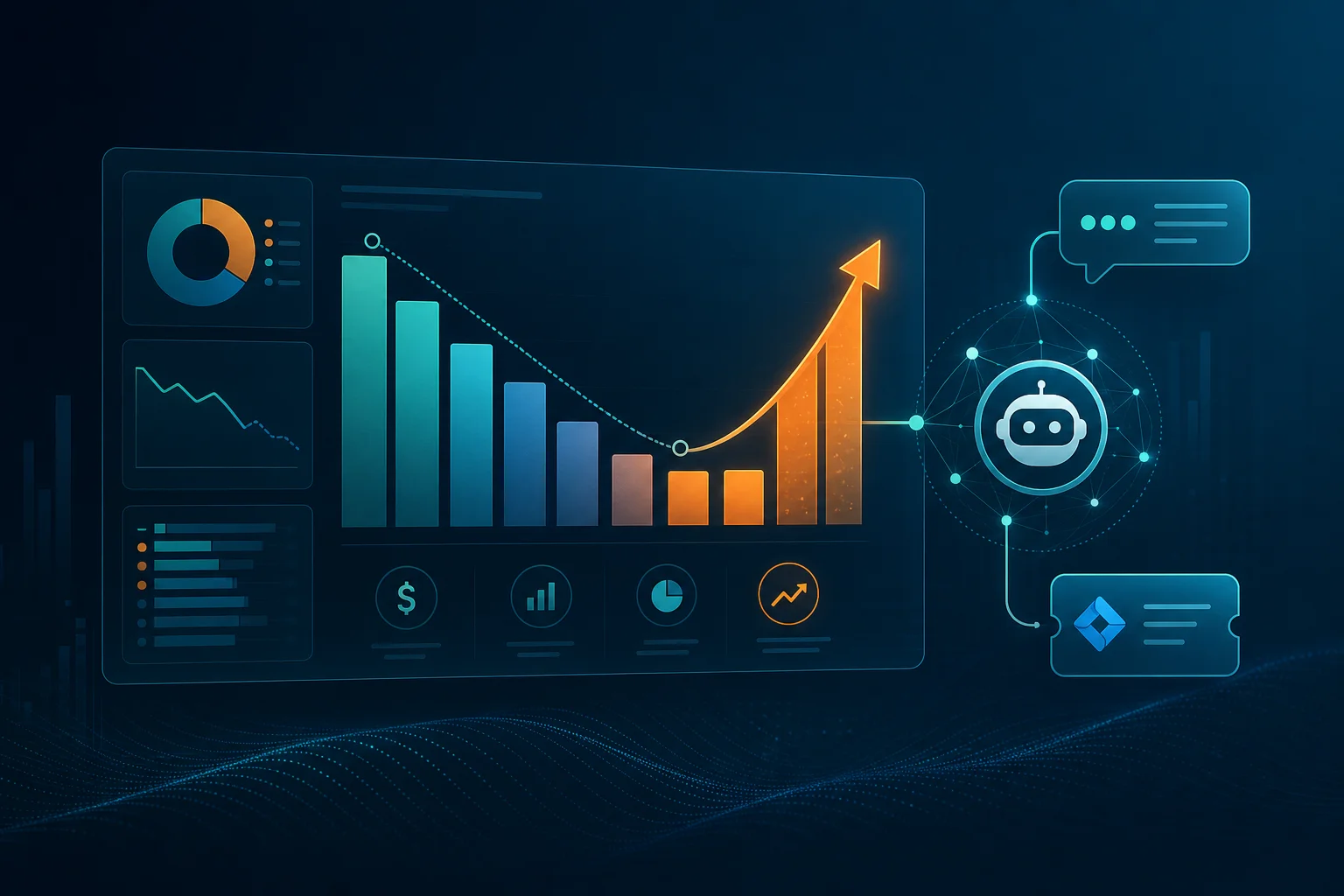
On June 9, 2026 AWS previewed FinOps Agent — a Bedrock-powered agent that investigates cost anomalies via CloudTrail, answers NL cost questions, and opens Jira tickets from Cost Optimization Hub. Free in preview; not a replacement for ownership or tagging.

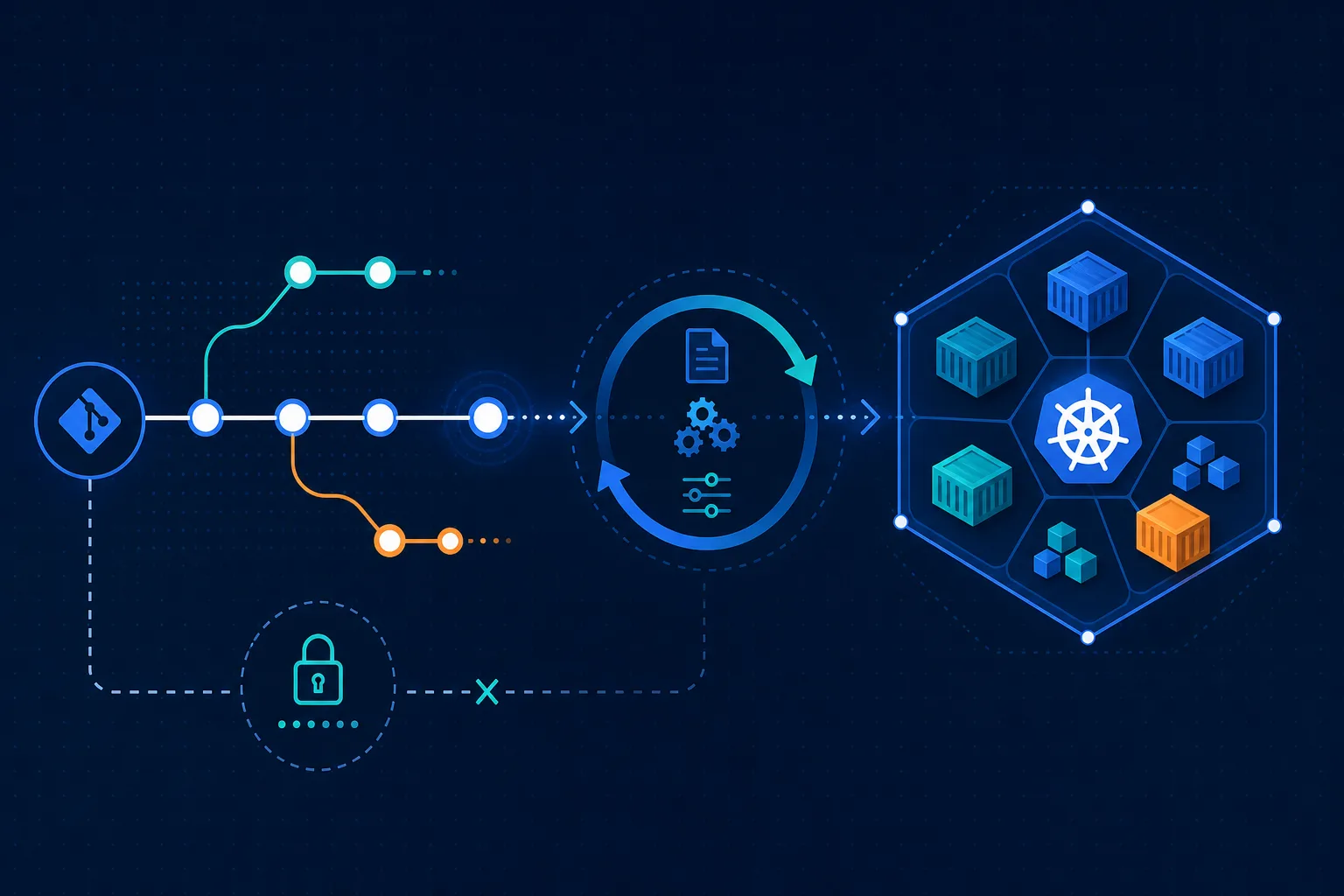
AWS Prescriptive Guidance says Argo CD and Flux both handle most GitOps scenarios capably — so picking one is a fit decision, not a winner. The decisions that actually cause incidents are the ones underneath: plaintext secrets in the GitOps repo, CI running kubectl apply and reintroducing drift, no App-of-Apps so onboarding is click-ops, and repo topology you can't change later. Here is the Argo CD vs Flux matrix, an App-of-Apps example, and the five traps independent of tool.